

Type Of Rhinestones | Choose The Best Crystal Styles
Posted by Rhinestones Unlimited on Jan 4th 2026
What Type Of Rhinestones Do I Need For My Project?
You’re ready to start your rhinestone project.
You have an idea.
You can picture the sparkle.
You might even have colors in mind.
And then the question hits — what type of rhinestones do I actually need?
If you’ve ever felt stuck at this exact point, you’re not alone. This is one of the most common (and important) questions we hear, because the type of rhinestone you choose affects everything else — tools, glue, application method, durability, and even how your finished piece looks and feels.
The goal of this guide isn’t to overwhelm you. It’s to help you understand your options clearly, so you can make confident choices and move forward without second-guessing yourself.
Start With the Surface (This Matters More Than Anything Else)
Before you think about sparkle level, color, or size, start here:
What are you rhinestoning?
The surface you’re working on determines:
- Whether heat is safe or risky
- Which adhesive will hold properly
- Which rhinestone backing makes sense
Choosing the wrong type for your surface is one of the fastest ways to become frustrated — so this step is worth taking the time to do right.
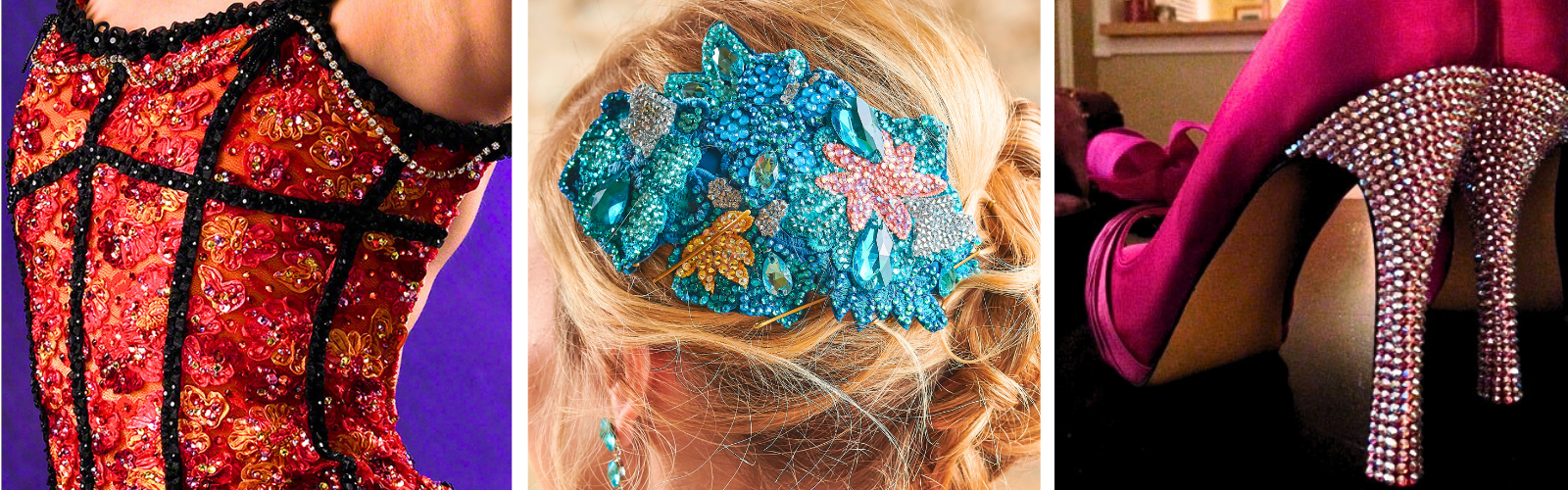
Rhinestones for Fabric Projects
Fabric is the most common rhinestoning surface, but not all fabrics behave the same way. Stretch, texture, thickness, and heat tolerance all play a role.
Hotfix Rhinestones (Heat-Activated)
Hotfix rhinestones have a heat-sensitive adhesive already applied to the back of the stone. When heat is applied correctly, the adhesive melts and bonds to the fabric.
Hotfix works best on:
- Lycra and spandex
- Cotton and cotton blends
- Some velvets
Hotfix is often used in manufacturing and large costume production because it’s fast and consistent. However, hotfix is only a good choice if the fabric can safely handle heat. Some synthetic fabrics will scorch, warp, or melt under heat — and once that happens, there’s no undo button.
If you’re unsure whether your fabric is heat-safe, always test first.
Non-Hotfix (Flatback) Rhinestones
Non-hotfix rhinestones — also called flatbacks — do not have adhesive on the back. They are applied using glue, which makes them incredibly versatile.
Flatbacks are ideal for:
- Sheer fabrics like chiffon
- Polyester or nylon blends
- Vinyl and faux leather
- Suede
- Delicate or heat-sensitive materials
Many designers prefer flatbacks because glue allows more control, especially for detailed designs or curved areas. When paired with the right adhesive and applied properly, flatbacks can be just as durable as hotfix stones — including through washing.
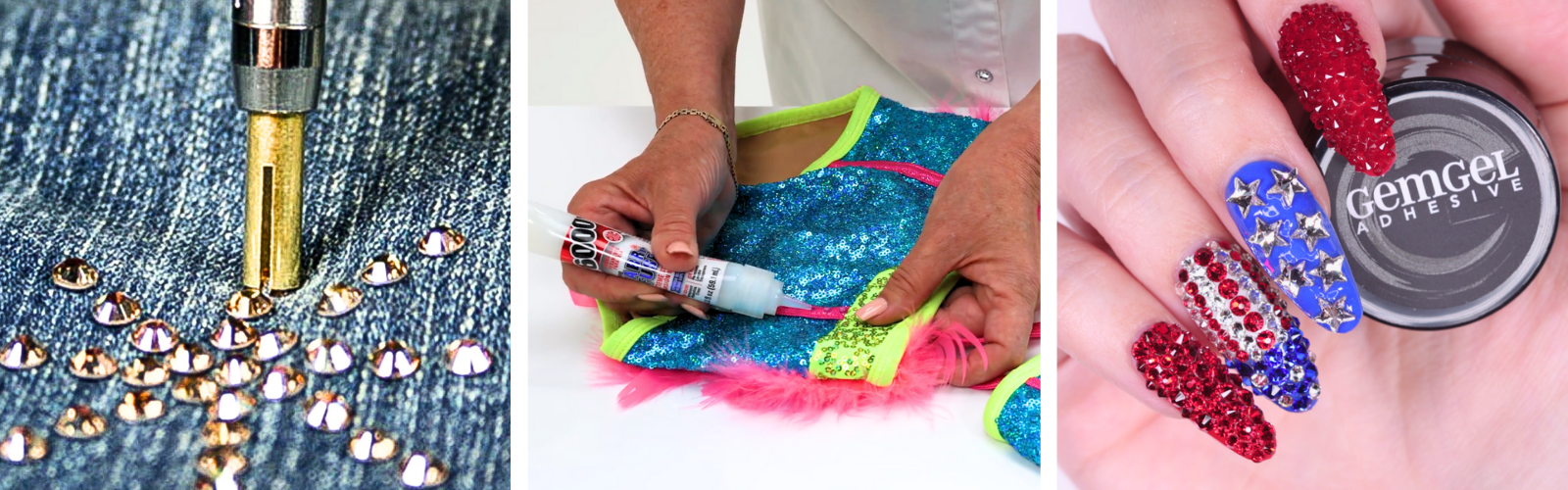
Choosing the Right Glue (Don’t Skip This Step)
Rhinestones and glue work as a system. Even the best stone won’t stay put if the adhesive isn’t right for the surface.
General guidance:
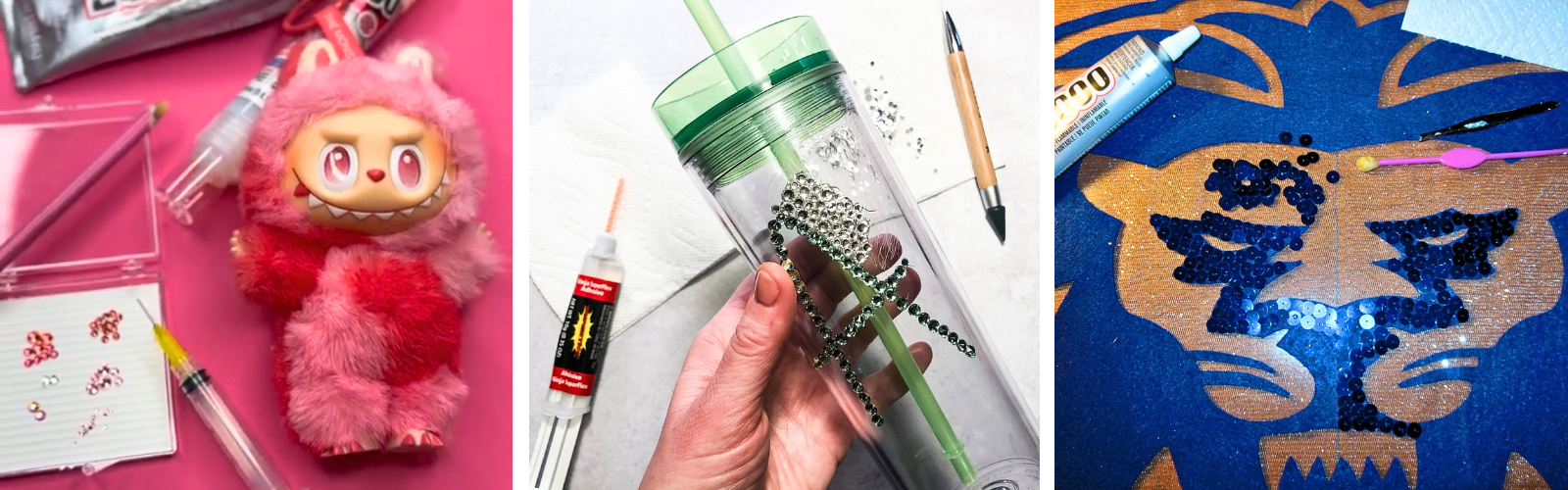
- E6000 is strong and works well on difficult surfaces like vinyl, suede, and leather (always test first)
- Gem-Tac and Fabri-Fuse are easier to apply and popular for fabric projects
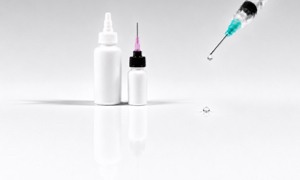
- Precision syringes or needle tips help control glue placement and reduce mess
Helpful tip: If your fabric is thin or sheer, place a barrier (cardboard or plastic) between layers so glue doesn’t seep through.
Glue-On vs Metal-Set Flatbacks
If you’re gluing rhinestones or using metal settings, you’ll always choose non-hotfix flatbacks.
Metal settings are especially useful when:
- The item gets heavy wear
- Extra durability is needed
- You’re working with leather or accessories
Flatbacks give you flexibility — you can glue them directly, set them into metal, or combine techniques depending on your design.
When Sew-On Rhinestones Make Sense
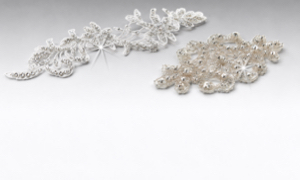
Sew-on rhinestones and trims are best for:
- Larger statement stones
- Decorative accents
- Straight lines or structured designs
They’re often used on stage costumes, formal wear, or items that won’t be washed frequently. If sewing isn’t your thing, many trims can also be glued — just choose the adhesive carefully and test first.
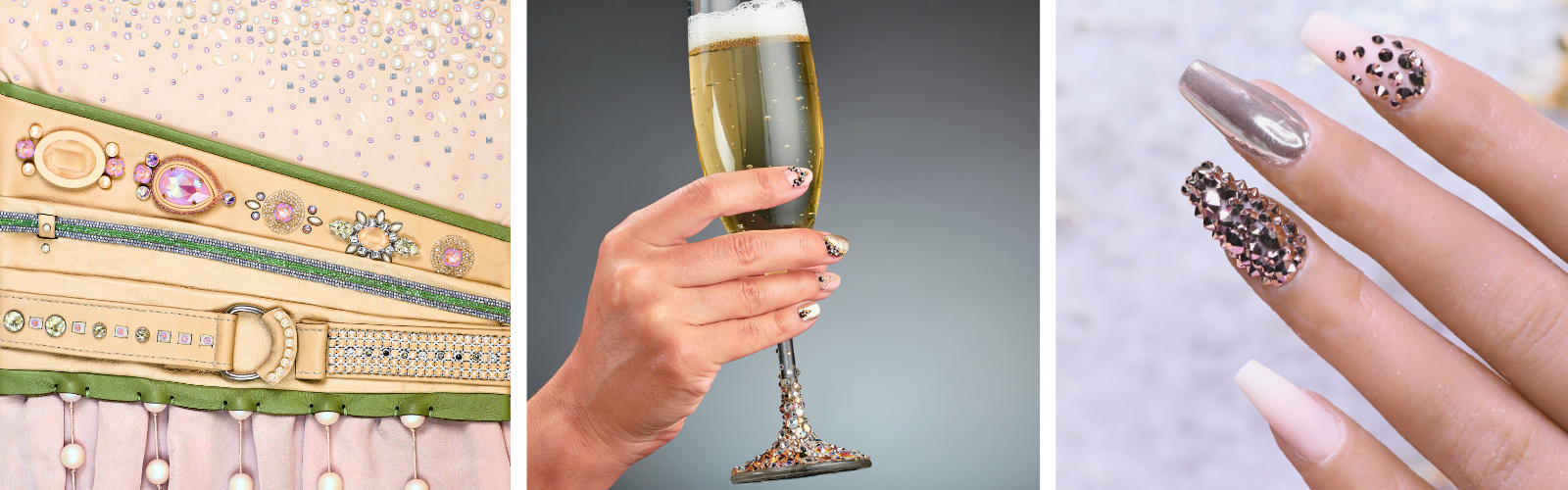
Rhinestones for Leather & Faux Leather
Leather is durable, but it requires a different approach.
For leather projects:
- Skip hotfix entirely
- Use non-hotfix flatbacks or metal settings
- Test the glue before committing
Leather doesn’t absorb adhesive the way fabric does, so testing is essential to ensure long-term hold.
Rhinestones for Hard Surfaces
For surfaces like:
- Glass
- Acrylic
- Wood
- Metal
- Painted canvas
Use non-hotfix flatback rhinestones with an appropriate adhesive. Heat is unnecessary here and can cause damage or uneven results. Read our glue article for a deeper breakdown.
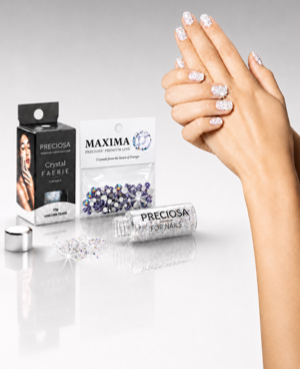
Rhinestones for Nails
Nail art requires smaller stones and specialized products.
For nails:
- Use non-hotfix rhinestones
- Pair with nail-specific adhesive like GEMGEL
- Use fine placement tools for precision
These products are designed to cure properly and hold through normal wear.
Rhinestones for Face & Body
Rhinestones are often used for performances, events, and makeup looks — but safety comes first.
For skin:
- Use non-hotfix flatback rhinestones
- Apply with eyelash adhesive or skin-safe adhesive
- Never use permanent glue on skin
Always remove gently and discontinue use if irritation occurs.
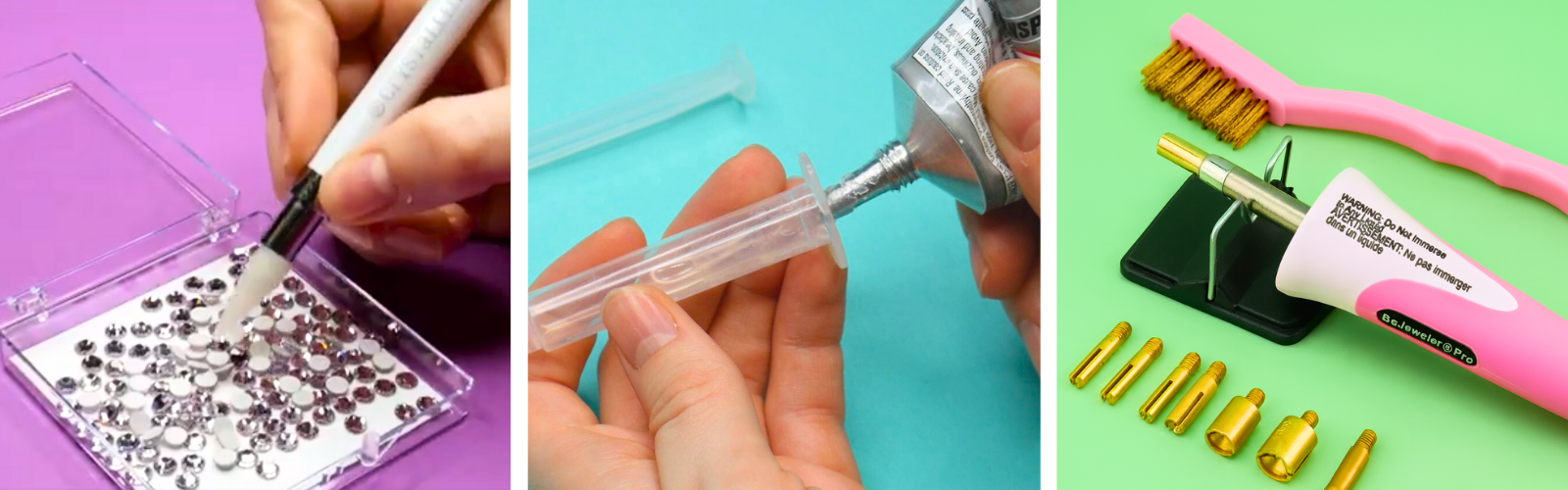
Tools That Make Rhinestoning Easier (and More Enjoyable)
Once you know what type of rhinestones you’re using, tools becomes much easier to choose.
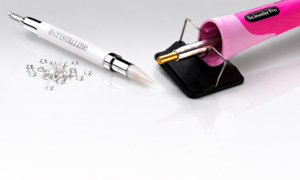
Helpful tools include:
- Rhinestone trays to flip stones face-up
- Wax pick-up tools or pencils
- Precision syringes for glue application
Quick hack: A folded, textured paper towel can help flip rhinestones if you don’t have a tray handy.
Storage & Organization (Future You Will Be Grateful)
Keeping rhinestones organized:
- Saves time
- Prevents spills
- Makes color matching easier
Clear containers, labeled bags, or compartment boxes all work — the key is consistency.
Final Thoughts: You Don’t Have to Get This Perfect
Choosing the right type of rhinestones can feel intimidating at first — but now you understand the logic behind the choices. From here, everything else becomes easier.
Rhinestoning is a skill that grows with practice. Test, experiment, adjust, and trust yourself. You’re doing this the right way.
Continue the Rhinestones 101 Series
If you’re planning a project from start to finish, these guides pair perfectly with this one:
- Choosing the Type of Rhinestones Do I Need?
- Choosing Your Rhinestone Color
- How Many Rhinestones Do I Need?
- What Rhinestone Glue Is Best for My Project?
- Learning What Attachment Method Is Best
- Selecting a Brand & Quality of Crystal
- Deciding What Rhinestone Size You Want
We can’t wait to see what you create
FREQUENTLY ASKED QUESTIONS
I'm still not sure which rhinestone type and glue combo is right for my specific project. Can someone help?
Yes. Surface, glue, and rhinestone type all depend on each other, and it's easy to get one piece wrong. Check out our glue guide for a deeper breakdown of matching adhesive to surface and rhinestone type.
What if I need a rhinestone type, finish, or format that isn't covered here?
As the only Preciosa Elite Platinum Partner in the United States, we can special order anything from Preciosa's full catalog. Contact us and we'll help track down exactly what your project needs.
I'm a business owner of a dance studio looking to buy rhinestones, tools, and glue in bulk. Where should I start?
Check out our wholesale pricing program or contact us directly, and we can help you plan out rhinestones, glue, and tools together for your studio.