
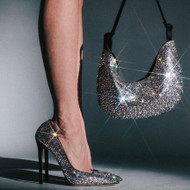
What Makes a Rhinestone Sparkle? The Science of Crystal Brilliance
Posted by Rhinestones Unlimited on Aug 6th 2026
CRYSTAL SCIENCE
What Makes a Rhinestone Sparkle? The Science of Crystal Brilliance
Sparkle is not luck. It is facets, cut design, and glass quality working together, and it is why the Preciosa® Chaton Rose MAXIMA is engineered to outperform the market standard.
A rhinestone sparkles because of how its facets bounce light back to your eye. The more precisely a crystal is cut, the more times light breaks inside it and returns as visible sparkle. The Preciosa® Chaton Rose MAXIMA is engineered for this: up to 15 facets in the most-used sizes, against a market standard of 12, reflecting up to 264 unique rays of light.
Here is what actually creates that sparkle, how facet count works across sizes, and what to look for in a high-sparkle stone.
01
What actually creates sparkle
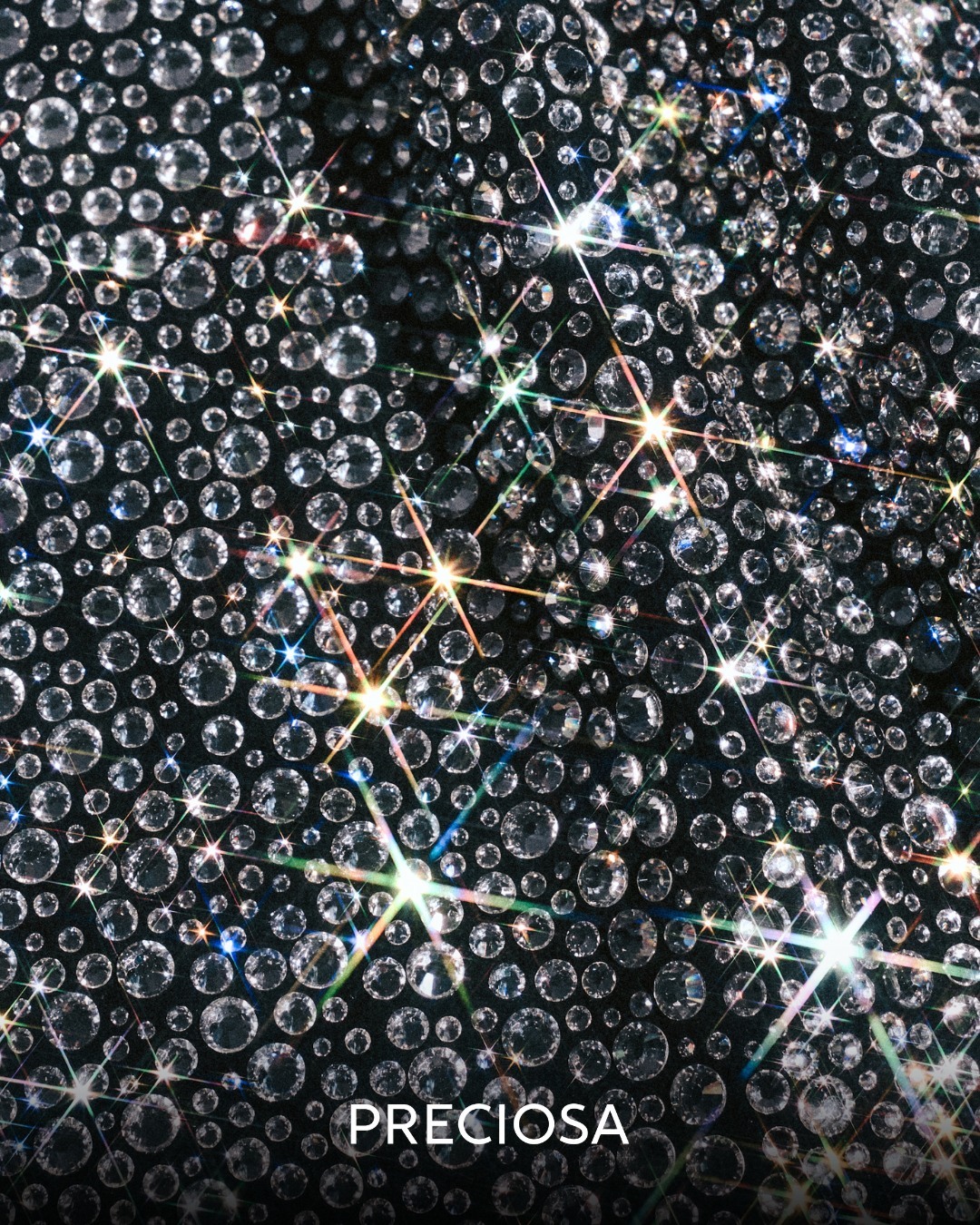
Sparkle is the visible result of light entering a crystal, reflecting off its internal surfaces, and returning to your eye. Three things control how much of that light comes back.
|
 |
02
How many facets does a rhinestone have?
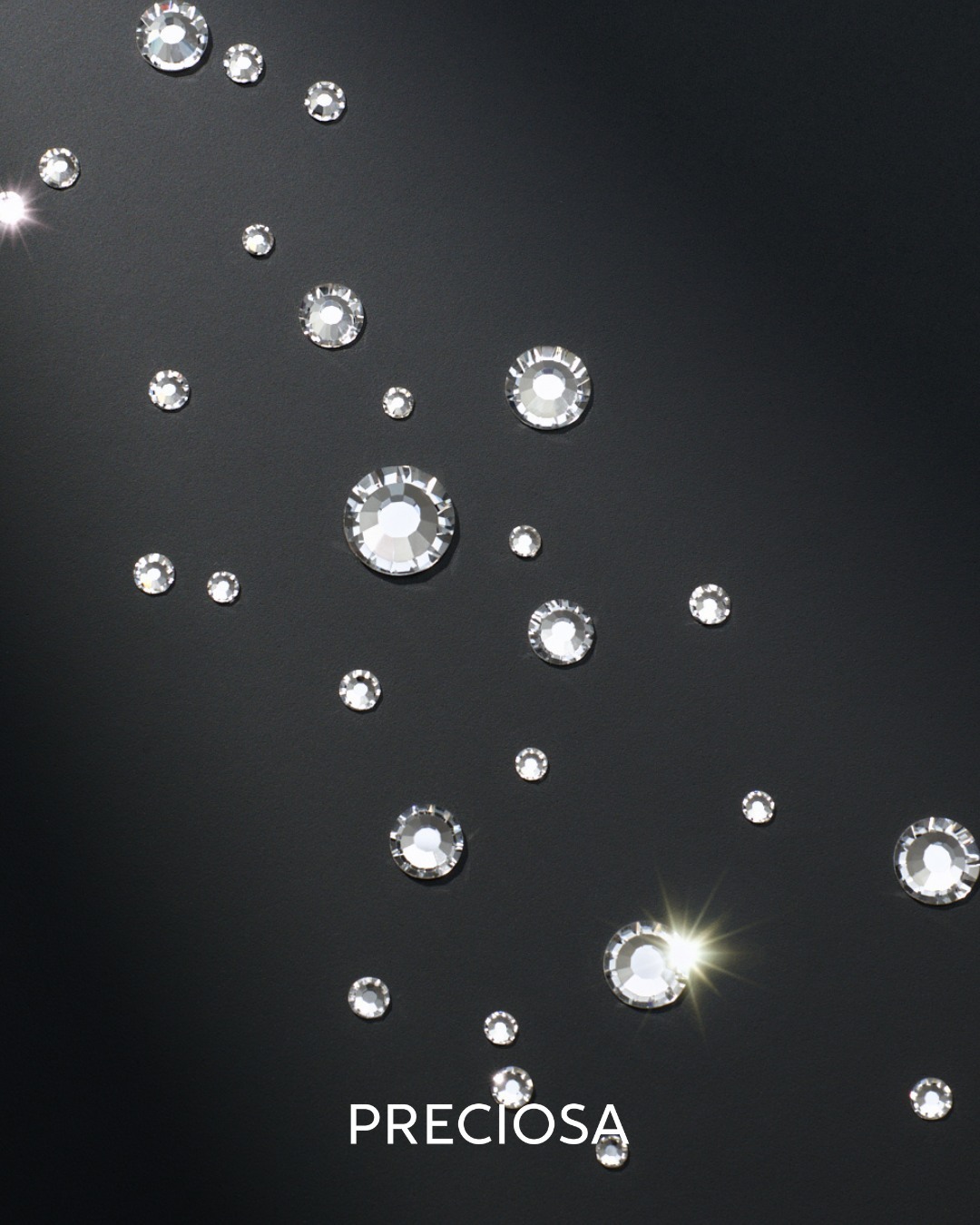 |
It depends on the crystal and the size. In the most-used sizes, the market standard is around 12 facets. MAXIMA cuts up to 15, and up to 18 in larger stones. The difference is even larger in micro-sizes. Many crystals simplify their cut as stones get smaller, dropping to around 8 facets. MAXIMA keeps a more complex architecture down to the tiniest stones: its 3ss still carries 12 facets, which holds sparkle and definition in detailed designs where it would otherwise wash out. |
03
Does the brand of crystal really change the sparkle?
Yes. Two stones can look similar at a glance and behave very differently in light, because cut design and glass engineering differ between brands. A proprietary facet arrangement that returns light evenly across the whole stone produces balanced brilliance, rather than a few isolated bright points. Independent optical testing confirms the MAXIMA delivers stronger light return and more consistent performance than Preciosa VIVA12® and many competing products.
For the full brand-by-brand breakdown, including how MAXIMA compares to Swarovski®, see: What Is the Best Alternative to Swarovski® Crystal Rhinestones? This post stays on the science, so it answers the sparkle question, not the brand-shopping question.
04
So which crystal is the shiniest?
For a faceted flatback crystal, the brilliance leaders are the ones that combine a high facet count, an optimized cut, and high-refractive-index glass. MAXIMA is built on all three, which is why it is our recommended everyday premium crystal at Rhinestones Unlimited.
FREQUENTLY ASKED QUESTIONS
What makes one flatback crystal sparkle more than another?
Facet count, cut design, and glass quality. More facets and a smarter cut create more internal light breaks, and higher-refractive-index glass returns more of that light to your eye.
How many facets does the Preciosa® Chaton Rose MAXIMA have?
Up to 15 in the most-used sizes and up to 18 in larger sizes, against a market standard of around 12. In micro-sizes it holds 12 facets down to 3ss.
How many rays of light can a MAXIMA crystal reflect?
Up to 264 unique rays of light, the result of its optimized facet geometry.
Is MAXIMA a good alternative to Swarovski®?
On the sparkle science covered here, yes. For the full brand-by-brand comparison, see our Best Alternative to Swarovski® guide.
Does a higher facet count always mean more sparkle?
More facets help, but only when the cut is designed well. Arrangement and glass quality matter as much as the count. MAXIMA is engineered on all three.
SHOP THIS POST
Shop Preciosa® Chaton Rose MAXIMA →
Read: Why Preciosa® Is the Leader in Luxury Crystal Rhinestone Production →
Read: Preciosa® MAXIMA Frequently Asked Questions →
Read: What Is the Best Alternative to Swarovski® Crystal Rhinestones? →